

Introduction
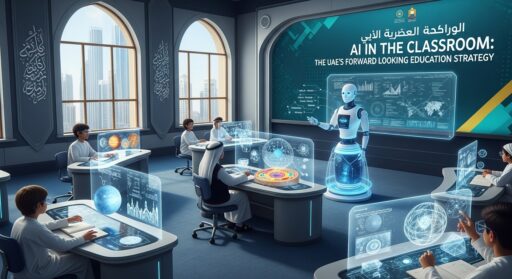
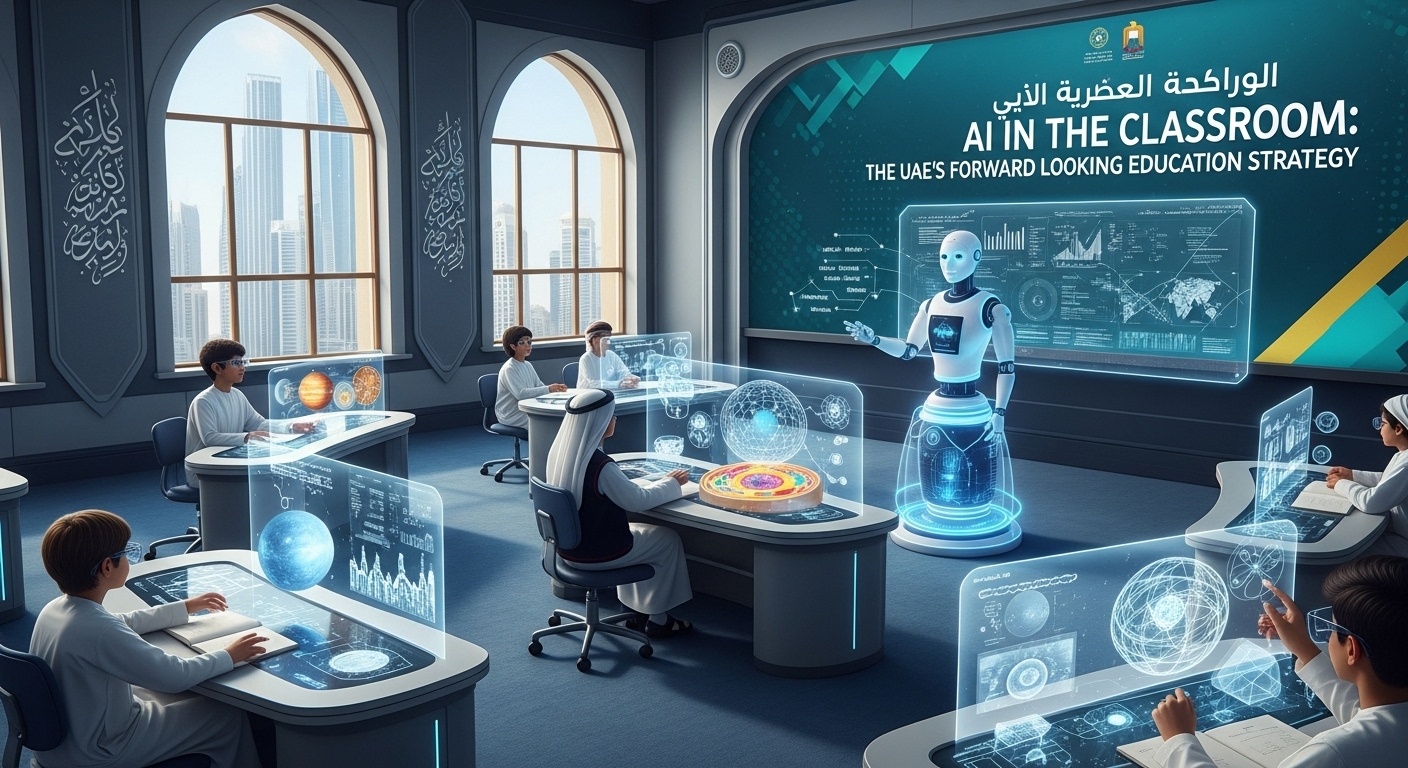
As the world stands on the brink of the Fourth Industrial Revolution, the UAE is proactively reshaping its education system to not just adapt to the future, but to define it. At the heart of this transformation is the integration of Artificial Intelligence (AI) into the very fabric of learning. Moving beyond computer literacy, the UAE’s strategy aims to create a generation of AI-natives—students who are not only consumers of technology but also creators and ethical leaders in an AI-driven world. This commitment, formalized through initiatives like the UAE National Strategy for Artificial Intelligence 2031, represents the latest and most ambitious chapter in the nation’s educational evolution.
History
The UAE’s journey towards an AI-enabled education system began with its early investments in technology infrastructure. The 2000s saw the widespread introduction of computers and smart boards in classrooms. The pivotal moment came in 2017 with the appointment of the world’s first Minister of State for Artificial Intelligence, His Excellency Omar Sultan Al Olama, signaling the supreme national priority of this field. This was followed by the launch of the AI Strategy 2031, which identified education as one of its key pillars. Pilot programs introducing AI and robotics curricula were launched in select schools, and partnerships were formed with global tech giants to develop customized educational tools and teacher training programs.
Key Features
The integration of AI in UAE classrooms is multi-faceted:
- Personalized Learning: AI-powered platforms can analyze a student’s performance in real-time, identifying strengths and weaknesses to tailor educational content and pacing to their individual needs, moving away from the one-size-fits-all model.
- Intelligent Tutoring Systems: AI chatbots and virtual tutors can provide students with instant help and answer questions, offering supplementary support outside of classroom hours.
- Automating Administration: AI is streamlining administrative tasks for teachers, such as grading multiple-choice assessments and tracking attendance, freeing up their time to focus on interactive and creative teaching.
- Future Skills Curriculum: Schools are increasingly incorporating coding, data science, and robotics into their core curricula, ensuring students develop the computational thinking and technical skills required for the jobs of the future.
Cultural Significance
This shift is cultivating a new mindset among students and educators. It is fostering a culture of innovation, problem-solving, and experimentation from a young age. The focus on AI ethics within the curriculum is also instilling a sense of responsibility, teaching students to consider the societal impact of the technology they will create and use. For a nation whose modern identity is built on ambitious transformation, embracing AI in education is a logical and powerful step. It reinforces the national narrative of the UAE as a forward-looking, technology-embracing society, preparing its youth to be global pioneers.
Modern Relevance
The drive to integrate AI into education is a direct response to the demands of the UAE’s economic diversification agenda. Sectors prioritized in the national vision—such as AI itself, space, advanced manufacturing, and fintech—require a workforce with deep technological competence. By seeding these skills early, the UAE is building a domestic talent pipeline to fuel its future industries. Furthermore, the experience gained from implementing AI in education serves as a valuable testbed for other government services. The ultimate goal is to enhance national competitiveness by ensuring that human capital development keeps pace with, and even anticipates, technological change.
Conclusion
The UAE’s push to embed AI in the classroom is more than an educational policy; it is a national survival strategy in the 21st century. It represents a profound understanding that the next generation of economic and global leadership will be defined by a mastery of technology and data. By daring to reimagine the classroom through the lens of AI, the UAE is ensuring that its students are not passive passengers on the journey into the future, but active pilots. This forward-looking education strategy is the key to unlocking the full potential of the nation’s most valuable resource—its youth—and securing the UAE’s place at the forefront of global progress for the next 50 years.